How Termite Control Services Support Safer Living Spaces
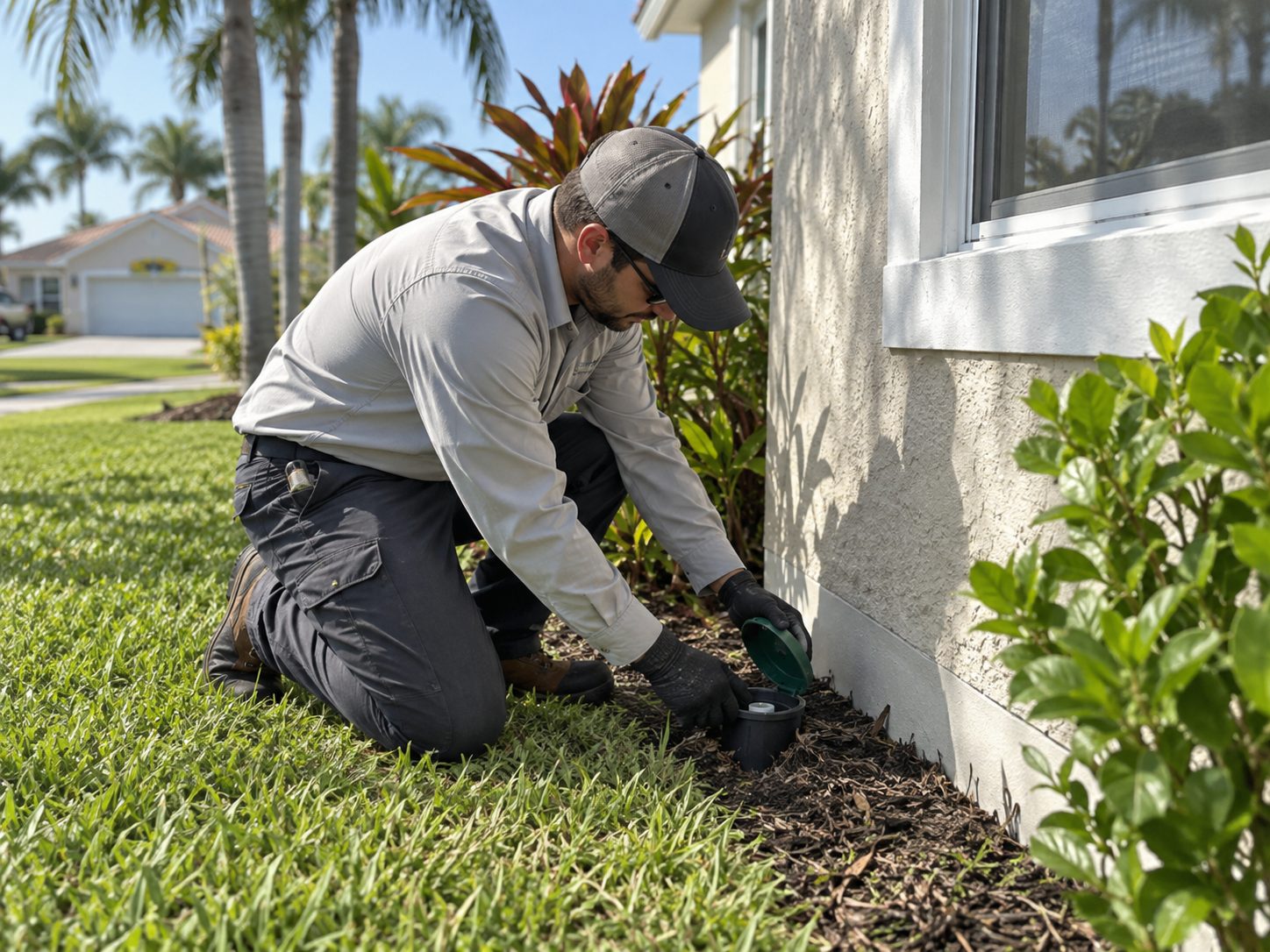
A home can look solid from the street and still be under steady attack from the inside. That is one of the unsettling realities of termite activity. Unlike roof leaks or cracked windows, termite damage often starts quietly, behind drywall, under flooring, inside crawl spaces, or along sill plates that most people rarely inspect. By the time a door starts sticking or a baseboard sounds hollow, the problem may have been active for months or longer.
That is where Termite Control Services earn their value. Their role is not limited to killing insects. Good service protects structural components, reduces hidden risk, supports cleaner indoor conditions, and helps homeowners make decisions before minor damage turns into a serious repair issue. In practical terms, that means safer living spaces, lower long-term costs, and greater confidence in the condition of the property.
The connection between Termite Control Services termite control and safety is stronger than many people realize. Most people think first about property value, and that matters. But the bigger issue is livability. A damaged support beam, moisture-compromised framing, or weakened subfloor can affect how safely and comfortably a building functions. In homes with children, older adults, or anyone with mobility concerns, even subtle structural decline can create real hazards.
The safety problem hidden behind termite activity
Termites do not usually cause dramatic overnight failures. Their damage tends to accumulate gradually. That slow pace is exactly why they are dangerous. A homeowner can adapt to small signs without recognizing what those signs mean. A floor feels soft near the bathroom, so a rug gets placed over it. A window becomes harder to open, so people stop using it. A bit of bubbling paint gets blamed on humidity. Each symptom seems manageable on its own. Together, they can point to a structure losing strength where it matters most.
Subterranean termites, the type most often associated with serious structural damage, work from the soil up and seek out cellulose in wood and paper products. They are drawn to moisture and often move through concealed routes, including foundation cracks, expansion joints, utility penetrations, and mud tubes built along masonry or concrete. Drywood termites behave differently, living within the wood they infest, but they create their own set of problems by hollowing out trim, framing, and other wood members from the inside.
In both cases, the danger is not just cosmetic. Wood that has been tunneled through may keep its painted surface while losing much of its internal integrity. I have seen baseboards that looked nearly perfect until light pressure broke through the outer layer. I have also seen porch posts that appeared weathered but serviceable until inspection revealed active galleries inside. The lesson is simple: visual appearance is a poor indicator of structural soundness when termites are involved.
Why professional termite control matters more than store-bought fixes
Many over-the-counter pest products promise quick results. For ants or occasional insects, those products can sometimes help. Termites are different. Their behavior, nesting patterns, and access points require a level of diagnosis that goes beyond surface treatment.
A professional termite inspection is not just a search for bugs. It is a building assessment with a pest focus. Experienced technicians know where moisture tends to collect, how construction type affects vulnerability, and what evidence distinguishes active infestation from old damage. They also understand species differences, which matters because the best treatment for subterranean termites is not the best treatment for drywood termites.
That distinction is important in real homes. A slab-on-grade house with mulch piled against the siding presents a very different risk profile from an older raised home with a damp crawl space and exposed plumbing penetrations. One may benefit most from a soil-applied barrier or baiting system. Another may require localized treatment, wood repair recommendations, and corrective moisture management. A one-size-fits-all approach usually misses the real issue.
Termite Control Services also bring documentation, which has value beyond treatment itself. Homeowners often need inspection reports for real estate transactions, insurance discussions, contractor coordination, or simply their own maintenance planning. A clear record of findings, treatment type, and follow-up schedule helps turn a vague fear into a manageable action plan.
Safer living starts with early detection
The best termite jobs are often the least dramatic. No walls are opened. No major repair crews are called. The infestation is found early, treated correctly, and monitored before the damage spreads. That kind of outcome depends on routine inspection and an understanding that no obvious sign does not mean no risk.
Early detection supports safety in several ways. First, it limits structural weakening. A joist or stud that is only lightly affected may need treatment and observation. A heavily damaged member may need reinforcement or replacement. Second, early action usually reduces disruption. Repairs to trim or a small section of framing are manageable. Repairs involving flooring systems, wall sections, or porch structures quickly become expensive and invasive. Third, early detection often reveals contributing conditions such as chronic leaks, poor drainage, or wood-to-soil contact that can affect the broader health of the building.
One case that stays with me involved a homeowner who requested an inspection before installing new hardwood floors. She had no evidence of termites and considered the inspection a formality. During the visit, the technician found mud tubing behind stored materials in the garage and elevated moisture near a plumbing line. The infestation had not yet caused obvious floor damage inside the living areas, but it was moving in that direction. Treatment happened first, a small section of damaged wood was addressed, and the flooring project continued with much less risk. Without that inspection, the new floor might have concealed the problem for another year or two.
Termite damage and household safety are linked more closely than most people think
When people hear "safer living spaces," they often think of locks, alarms, smoke detectors, and air quality. Those are all important. Structural reliability belongs in the same conversation.
Termite damage can affect stairs, decks, railings, floor transitions, door frames, and load-bearing members. Not every infestation reaches that point, but enough do that the risk should be treated seriously. A weakened stair tread is not just a repair item. It is a fall hazard. A compromised porch post is not just an exterior maintenance issue. It can affect stability where people gather, carry groceries, or supervise children at play.
There is also a moisture connection. Homes with termite activity frequently have some combination of poor drainage, condensation, leaks, or ventilation problems. Those conditions can contribute to mold growth and wood decay, which compounds structural concerns and can affect indoor comfort. Termite Control Services often uncover these conditions even when they are not the primary treatment target. A good technician will point out that pest control alone will not solve a moisture-driven problem. That honesty matters.
In practice, safer living spaces emerge from the combination of treatment and correction. Killing termites is one step. Fixing why the site attracted them is what supports lasting results.
What a thorough termite service usually includes
Not every provider works the same way, and that is worth understanding before any contract is signed. Strong termite work usually begins with a careful inspection, followed by a treatment recommendation tailored to the construction type, infestation pattern, and environmental conditions around the property.
A sound inspection typically includes interior and exterior review, attention to foundations and crawl spaces where accessible, evaluation of visible framing and trim, and notes on conducive conditions. Conducive conditions might include firewood stacked against the house, leaking hose bibs, soil covering weep screeds, mulch piled too high, or planters placed directly against wood siding. These are common details that homeowners overlook because they seem harmless. In termite work, they matter.
Treatment can involve soil termiticides, bait systems, direct wood applications, localized injections, or a combination. Each has trade-offs. Soil treatments can provide broad protection, but access limitations or nearby hardscaping may influence how they are applied. Bait systems allow for monitoring and colony impact over time, but they require ongoing maintenance and patience. Localized wood treatment can be useful in targeted situations, though it may not address hidden colony activity beyond the treated area.
The strongest providers explain these trade-offs plainly. If a company offers one treatment type for every property without much discussion, that is a reason to ask more questions.
The value of follow-up and monitoring
A common mistake is to think termite control is a one-time event. Sometimes a localized issue can be resolved with a single treatment and routine annual checks. More often, especially in regions with active subterranean termite pressure, long-term monitoring is part of responsible protection.
Monitoring matters because properties change. Soil grading shifts. Irrigation gets added. New flower beds hold moisture against the structure. A small plumbing leak in a crawl space can create conditions that were not present during the original treatment. Termites respond to these changes.
Professional follow-up supports safety by catching re-entry or new activity before it spreads. It also reinforces accountability. If a service plan includes annual inspections or bait station checks, the property is less likely to go several years without anyone evaluating the vulnerable areas. That continuity makes a difference.
Homeowners sometimes hesitate at recurring service costs, and that hesitation is understandable. Yet the comparison is not between a service fee and nothing. The real comparison is between ongoing prevention and the combined cost of structural repair, finish replacement, and the disruption that comes with more extensive damage. In many cases, regular monitoring is the less expensive and far less stressful path.
Not all signs of termite risk are dramatic
One reason termite problems get missed is that people expect obvious swarms or piles of damaged wood. Those signs do occur, but many homes show only subtle indicators. Hollow-sounding trim, blistered paint, pinholes in drywall over damaged framing, shed wings near windowsills, or unexplained sticking in doors and windows can all be early clues. Mud tubes along a foundation wall are a more classic sign, though they are sometimes hidden by landscaping or storage.
Homeowners do not need to become termite experts, but they should know when to stop guessing and call for an inspection. The following situations justify professional attention:
- You notice soft wood, hollow trim, or bubbling paint with no clear cause.
- Doors or windows suddenly stick in areas where moisture or settling do not fully explain the change.
- You find mud tubes on foundation walls, piers, or inside a crawl space.
- You see winged insects indoors, especially near light sources, during warmer or humid periods.
- Your home has a history of moisture problems, prior termite treatment, or nearby activity in neighboring properties.
That short list is not exhaustive, but it covers the warning signs that most often deserve prompt follow-up.
How termite control supports healthier decision-making during homeownership
There is another side to Termite Control Services that does not get enough attention. They help homeowners make better maintenance decisions. A clear termite report can influence how people schedule renovations, prioritize repairs, and manage surrounding landscape features.
Suppose a family plans to finish a basement, refloor a first story, or enclose a porch. If termite activity or conducive conditions exist, those projects should not proceed blindly. Covering damaged areas with new materials can trap a problem out of sight and make future correction more invasive. By contrast, dealing with termite concerns first creates a sounder base for investment.
The same logic applies to home purchases. A buyer who understands the difference between old termite damage and active infestation is in a stronger position during negotiation. Old damage may call for targeted repair and documentation. Active infestation calls for treatment, follow-up, and a closer look at structural elements. Without that distinction, buyers often either panic unnecessarily or underestimate a real issue.
Professionals who handle termite work well tend to be measured in their language. They do not treat every stain as a crisis or every mud tube as proof of catastrophic damage. They inspect, document, and explain. That calm judgment is part of what makes their service useful.
The limits of termite treatment, and why honesty matters
Good termite control is powerful, but it is not magic. Treatment does not reverse damage already done. It does not fix rotten wood. It does not solve drainage design on its own. And it does not guarantee that a neglected property will remain termite-free forever without maintenance.
That is why the best providers coordinate, at least informally, with other parts of property care. A termite technician may recommend that a plumber address a chronic leak, that a contractor replace damaged fascia, or that a homeowner reduce mulch depth near the foundation. Those suggestions are not upsells when they are grounded in what the inspection shows. They are part of a complete risk-reduction picture.
This is also where homeowners need to use judgment. The cheapest estimate is not always the best choice, but neither is the most elaborate treatment package. Ask what evidence supports the recommendation. Ask how the treatment fits the house type. Ask what follow-up is needed, what is covered, and what changes around the home would lower future risk. Clear answers are a sign of competence.
What safer living spaces look like after termite issues are addressed
When termite concerns are handled properly, the result is not only a pest-free structure. The home often functions better overall. Floors feel solid. Exterior wood elements hold up longer. Moisture sources get corrected. Future renovation work happens with fewer unknowns. Occupants worry less about what might be hidden behind walls or underfoot.
There is also peace of mind in the ordinary routines of a household. Parents are not second-guessing whether a soft area near a doorway is dangerous for a child running through the house. An older homeowner is not stepping onto a porch wondering whether the railing is truly secure. A buyer preparing to move in can focus on paint colors and furniture placement rather than concealed damage risks.
Those outcomes do not come from treatment chemicals alone. They come from the whole process: inspection, diagnosis, treatment, repair planning, moisture correction, and monitoring over time.
Choosing a provider with safety in mind
If the goal is safer living, not just temporary pest reduction, the right service provider should be able to explain the property in plain language. They should show where the risk is, not just state that risk exists. They should distinguish between active and inactive evidence when possible. They should talk about moisture, access, construction details, and follow-up, not just product names.
It also helps when providers are realistic about what they can and cannot see. A concealed wall cavity, finished basement, or tightly enclosed crawl space limits any inspection. Professionals who acknowledge those limits tend to be more trustworthy than those who speak with false certainty. Careful pest work is based on observed evidence, building knowledge, and sensible recommendations, not bravado.
A reliable provider also respects the home as a living space. Treatment plans should consider pets, children, gardens, interior access needs, and scheduling practicalities. Safety is not an abstract concept. It includes how work is performed and how clearly the household is informed about next steps.
Why termite control belongs in any serious home safety plan
Most homeowners already understand the importance of smoke alarms, roofing maintenance, electrical updates, and proper drainage. Termite control deserves a place on that same list. The reason is straightforward: a house is only as safe as the structure supporting daily life inside it.
Termite damage often begins silently, but its effects can spread into the parts of a home people rely on every day, from floors and frames to stairs and exterior supports. Termite Control Services help interrupt that process. They identify hidden activity, reduce the chance of escalating structural damage, point out moisture conditions that invite future problems, and support repair decisions before hazards become larger and more expensive.
A safer living space is not created by reacting to collapse. It is created by noticing vulnerability early and addressing it with judgment. Termite control, done well, is one of the clearest examples of that principle in home care.
Maximum Pest Control
836 NE 7th Terrace Suite #5
Cape Coral, FL 33909
+1 239-772-7363
FAQ About Termite Control Services
What are two signs of a termite infestation?
Mud tubes along a foundation and piles of shed wings near doors or windows are two signs to investigate. Mud tubes are associated with subterranean termites. A licensed inspector can identify the insect and assess whether there is active infestation.
How many years does a termite treatment last?
There is no single timeline for all treatments. The method, site conditions, and maintenance affect how long protection lasts. Bait systems rely on monitoring and service. Ask the provider for the recommended inspection schedule and the terms of any coverage.
Is Termite Treatment Expensive in Cape Coral?
Cost depends on the termite species, the size and construction of the property, the extent of activity, and the treatment method. Request a written estimate after inspection and ask whether monitoring, follow-up visits, and renewals are included.