The Environmental Benefits of Green Termite Control Services
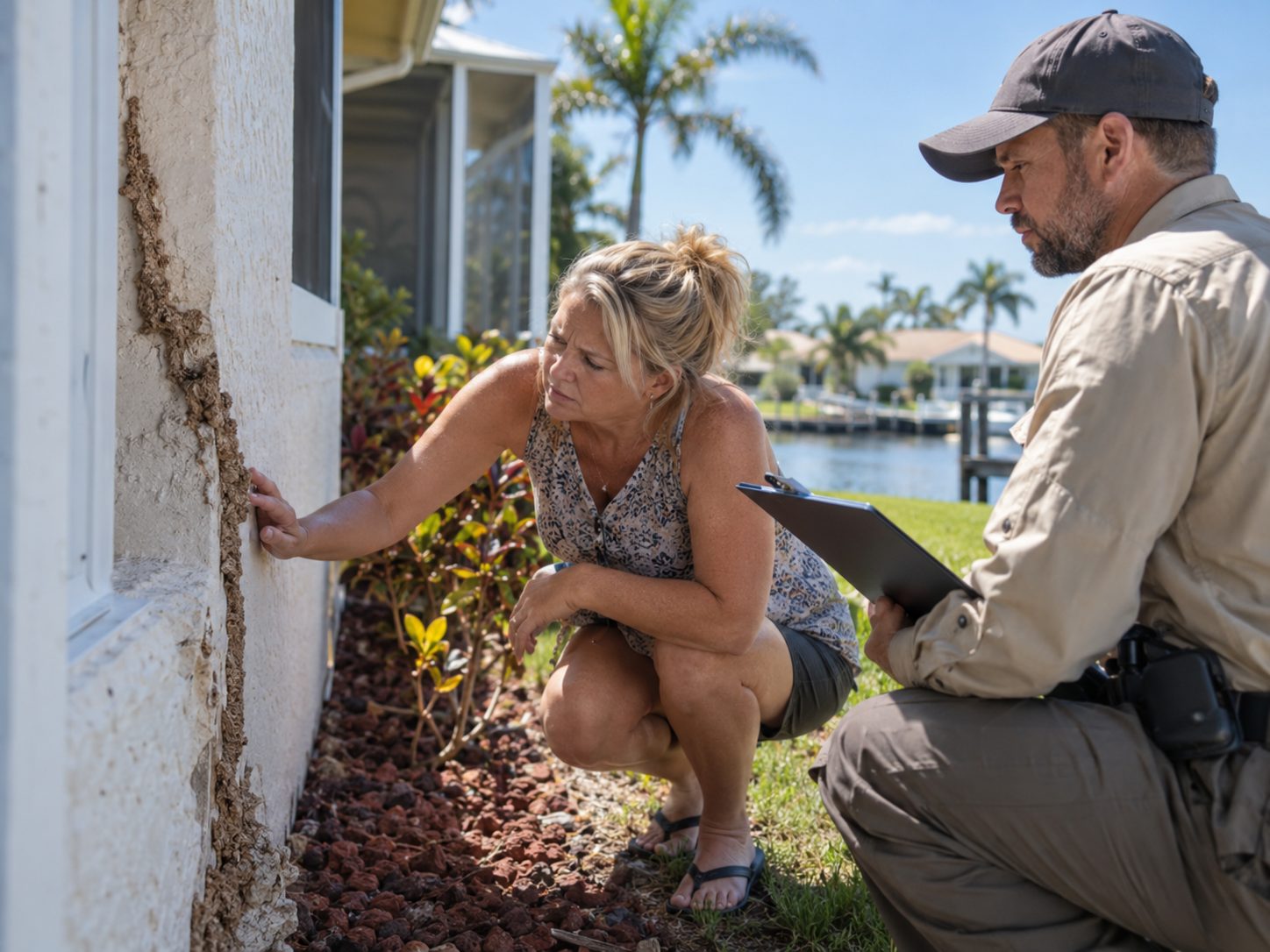
Termites do not look dramatic. They are small, pale, almost easy to dismiss. The damage they cause is anything but small. In the United States alone, repair costs and treatment expenses reach into the billions each year, much of it paid out of pocket because standard homeowners insurance rarely covers termite destruction. That financial reality often pushes property owners toward the fastest available fix. For years, that usually meant broad chemical application with little discussion about environmental impact beyond immediate effectiveness.
That approach has changed, and for good reason. Property owners have become more careful about what goes into the soil around their homes, what drifts into indoor air, and what washes toward storm drains after a heavy rain. At the same time, pest management professionals have improved their methods. Green termite control services are no longer a fringe option for a narrow slice of eco-conscious clients. In many cases, they represent a smarter, more targeted form of termite management that reduces collateral harm while still protecting the structure.
The environmental benefits are real, but they are easiest to understand when termite control is viewed as part of a larger ecosystem. A house is not isolated from its surroundings. Its slab, crawl space, landscaping, irrigation lines, mulch beds, nearby trees, and drainage patterns all influence termite activity. So do the treatment choices made by contractors. Green termite control works best because it recognizes that connection rather than treating the property like a sealed box.
What “green” actually means in termite control
The phrase can be used loosely, so it helps to be precise. Green termite control services do not mean no treatment, no science, or no intervention. They usually mean a combination of lower-toxicity materials, more targeted application, and prevention-focused planning that reduces unnecessary chemical use.
In practice, that can include several approaches:
- baiting systems that use very small amounts of active ingredient in enclosed stations
- localized treatments instead of whole-property saturation
- borate-based wood treatments with relatively low environmental persistence
- moisture correction and exclusion work that removes the conditions termites need
- inspection-driven service plans that apply materials only where evidence supports it
A seasoned technician will usually tell you the same thing: the greenest gallon of pesticide is the one you never needed to spray. That sounds simple, but it reflects a major shift in philosophy. Older treatment models often leaned on creating broad chemical barriers. Modern green-oriented Termite Control Services tend to start with inspection, identification, pressure assessment, and structural risk reduction. Chemistry still matters, but it is no longer the only tool in the box.
Less chemical load in soil and water
One of the clearest environmental advantages of green termite control is the reduction of chemical volume introduced into the ground. Traditional liquid termite treatments can require trenching and drilling around a structure, followed by the application of large amounts of diluted termiticide. Depending on the product, the construction type, and the size of the home, this can involve dozens of gallons of solution.
Those materials are regulated and, when applied correctly, can be effective and lawful. Still, scale matters. The more product placed into soil, the greater the importance of weather patterns, drainage conditions, and application accuracy. On a flat, well-drained lot with stable soil, risks may be manageable. On a sloped property with heavy irrigation, sandy soil, or a nearby retention area, the environmental picture becomes more complicated.
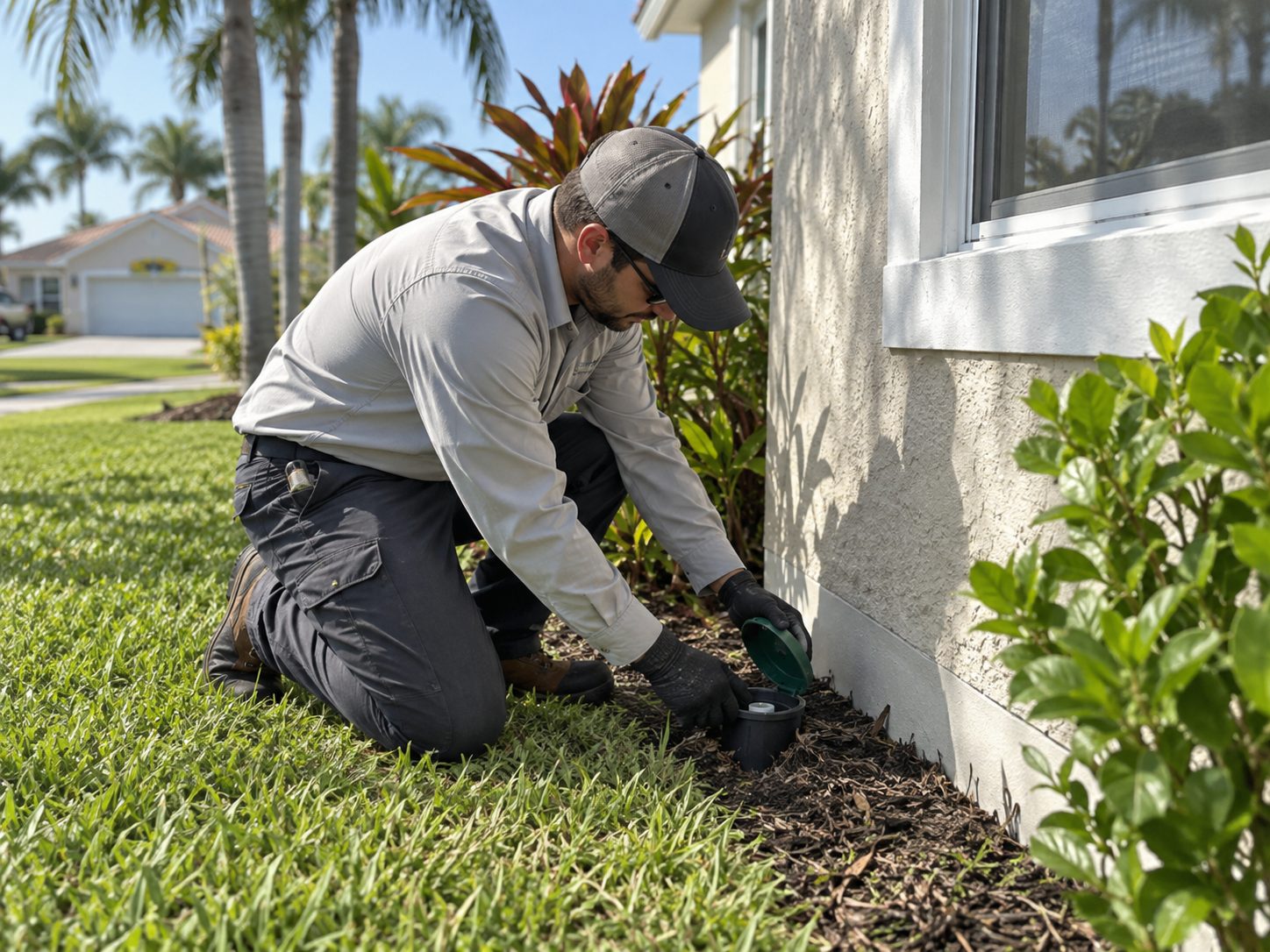
Green termite control services often reduce that burden by relying on precision. Bait stations, for example, use grams rather than gallons. The active ingredient is enclosed, monitored, and consumed by the target pest. That sharply limits off-target exposure. In practical terms, it means less chance of excess material moving through the soil profile or being displaced by runoff.
This distinction matters most after storms. Anyone who has worked in pest management in humid regions knows how quickly soil conditions can change after a few inches of rain. Water moves sideways as well as downward. If a property has poor grading or compacted clay near the foundation, applied materials can behave differently than they would in textbook conditions. Green systems reduce the stakes because there is simply less chemical mass in play.
Better protection for beneficial organisms
The ground around a home is busy with life. Earthworms aerate soil. Microbes break down organic matter. Predatory insects help suppress secondary pests. Pollinators may not interact directly with termite treatments near the foundation, but broad environmental stewardship still matters when service methods affect gardens, shrubs, and landscape beds.
A green termite control strategy aims to narrow the target. That is good for beneficial organisms because non-target exposure is one of the central ecological problems in pest control. The issue is not just toxicity in the abstract. It is also contact frequency, spread, persistence, and placement.
Take bait systems as an example. They are designed for termite foraging behavior. The treatment sits inside a station, rather than being broadcast across large sections of soil. Borate treatments offer another case. When applied to raw or exposed wood in susceptible areas, borates protect the structure with limited environmental drift. They are not a universal answer, especially in situations where wood is constantly exposed to weathering or where colony pressure is already high, but they can be an excellent low-impact option in framing, crawl spaces, attics, and new construction phases.
There is also an indirect benefit that professionals notice over time. Properties managed with targeted termite methods often need fewer broad-spectrum corrective treatments later, because routine inspections catch problems earlier. That means fewer emergency interventions, fewer large-scale applications, and less disruption to the ecological balance of the site.
Prevention reduces waste before treatment begins
The most environmentally responsible termite job is often the one that focuses on fixing the conditions attracting termites in the first place. That may sound less exciting than a new product label, but it is where the biggest long-term gains are usually found.
Subterranean termites thrive where wood, moisture, and hidden access come together. A leaking hose bib near the slab, mulch piled against siding, foam insulation extending below grade, a clogged gutter feeding moisture into one corner of the house, or firewood stacked against an exterior wall can all turn a low-risk property into an inviting target. None of those conditions require a heavy chemical answer at the start. They require observation and correction.
I have seen homes where the owner assumed termite pressure was random, when the real issue was a downspout discharging next to the foundation for years. Once drainage was corrected and damp wood replaced, termite activity dropped sharply. Treatment was still needed, but the service footprint became much smaller and the long-term control outcome improved.
That is one of the overlooked environmental benefits of better Termite Control Services. They reduce not only chemical use, but also material waste. Less damaged framing means fewer repairs. Fewer repairs mean less lumber replacement, less drywall disposal, less paint, and less construction debris headed to landfills. The environmental cost of termite damage does not end with the insect. It extends into every board, panel, and finish that must be removed and rebuilt.
Green methods support integrated pest management
Integrated pest management, often shortened to IPM, is sometimes treated like a buzzword, but in good hands it is simply disciplined decision-making. It asks a practical question: what is the least disruptive method that will solve the problem reliably?
For termites, that usually means matching the approach to the species, the structure, and the pressure level. Drywood termites behave differently from subterranean termites. A detached garage with exposed framing poses different challenges than a finished home with a monolithic slab. A preventive treatment for a low-risk property is not the same as a rescue plan for an active infestation discovered after swarming.
Green termite control fits IPM well because it encourages selectivity. Instead of defaulting to the biggest treatment package available, the technician evaluates how termites are entering, where they are feeding, what environmental conditions are supporting them, and how much intervention is genuinely necessary. That approach usually lowers environmental impact because it avoids one-size-fits-all applications.
It also creates better accountability. When a company is using monitored bait stations, moisture readings, and documented inspection findings, the service becomes easier to track over time. Homeowners can see whether stations are active, whether risk factors are being corrected, and whether the treatment plan is adapting. That transparency tends to produce better environmental decisions because the focus stays on evidence rather than habit.
Indoor air quality and the lived experience of the home
Environmental discussions often stop at soil and water, but indoor living conditions matter too. People choose green termite control for ecological reasons, yet many end up appreciating the day-to-day comfort just as much.
Large liquid treatments, especially in older structures or during more invasive applications, can raise understandable concerns about odors, drilling dust, and temporary disruption. Even when products are used according to label instructions, some homeowners are uneasy about extensive chemical treatment close to living areas, children’s rooms, pet spaces, or vegetable gardens along the foundation.
Green termite control services can reduce those concerns by minimizing intrusion. Bait stations installed in the soil are generally discreet. Localized borate applications can often be confined to accessible wood members. Corrective carpentry, ventilation improvement, and moisture control produce benefits that extend beyond termite prevention. A drier crawl space can discourage mold growth. Better drainage can reduce musty odors. Removing wood-to-soil contact can improve inspection visibility for future maintenance.
These details matter in real homes. People are not just protecting an investment on paper. They are protecting the place where they sleep, cook, and raise children. An environmentally responsible termite program acknowledges that the quality of the home environment is part of the outcome.
Why targeted systems often age better than blanket treatments
No termite treatment is permanent in the absolute sense. Soil shifts, landscaping changes, additions alter drainage, and new termite pressure can emerge years after a successful service. This is another reason green methods deserve serious attention. They often adapt better over time.
A monitored bait system, for instance, is not a one-and-done barrier. It is an ongoing watchpoint. That has environmental value because it favors maintenance over repeated large-volume intervention. Instead of reapplying broad treatments on a fixed schedule regardless of conditions, the service can respond to actual activity.
This is especially useful on properties where traditional trenching and drilling would be difficult or environmentally awkward, such as homes near wells, properties with extensive hardscaping, houses close to water features, or sites with mature landscaping the owner wants to preserve. I have seen bait-based programs become the preferred option simply because they allowed termite protection without tearing up stonework, root zones, or carefully established planting beds.
There are trade-offs, and they should be said plainly. Bait systems can take time to intercept active termites. Some infestations call for a combination of methods rather than a single green tool. Severe structural issues may require direct treatment in addition to environmental correction. Green does not mean passive. It means restrained, informed, and proportional.
New construction and the chance to prevent future chemical dependence
The environmental benefits of green termite control are even greater when considered at the building stage. Once a house is finished and landscaped, every treatment choice becomes more complicated. Before that point, there is a rare opportunity to build termite resistance into the structure.
Borate treatment of framing lumber, physical barriers in some designs, proper clearance between siding and grade, accessible inspection zones, controlled moisture management, and thoughtful drainage planning can reduce future reliance on more intensive chemical treatment. These are not glamorous upgrades, and buyers rarely ask about them with the same enthusiasm they reserve for countertops or appliances. Still, they often determine whether the home will need aggressive termite intervention later.
Builders and property developers who incorporate these measures are making an environmental decision whether they describe it that way or not. They are lowering the chance that the home will require repeated chemical input across its life cycle. For multifamily buildings, commercial spaces, and institutions such as schools or care facilities, that long-range reduction can be significant.
The hidden environmental cost of over-treatment
One uncomfortable truth in pest management is that more treatment is not always better treatment. Over-application can happen for several reasons. Sometimes it comes from habit. Sometimes it comes from poor inspection. Sometimes it comes from sales pressure. Whatever the cause, it creates environmental cost without corresponding benefit.
Excess treatment wastes product, increases exposure opportunities, and can distract from the real issue if the infestation is being driven by moisture or construction defects. It can also give property owners a false sense of security. They may assume the problem has been fully solved because a large service was performed, while the conditions attracting termites remain untouched.
Good green Termite Control Services challenge that pattern. They force a more careful diagnosis. If a company cannot explain why a treatment is needed, where it will be applied, and what non-chemical corrections should accompany it, the program is not truly environmentally responsible.
Homeowners do not need to become entomologists, but they should ask practical questions before authorizing service:
- what termite species is present, or suspected, and how does that affect the treatment choice?
- how much of the plan depends on monitoring and prevention rather than chemical application?
- what site conditions are increasing risk, and who is responsible for correcting them?
- how will the service affect pets, gardens, drainage areas, or nearby water sources?
- what follow-up inspections are needed to confirm the approach is working?
A company that answers those questions clearly is usually thinking in ecological terms, whether it uses that language or not.
Green service is not a compromise, if it is done well
There is still a perception in some markets that environmentally conscious termite control is softer, slower, or less reliable. That can be true if the service is underpowered, poorly monitored, or sold with vague promises. It is not true when the program is designed by someone who understands termite biology and building science.
The strongest green termite programs are disciplined. They rely on inspection quality, species knowledge, moisture management, material compatibility, and follow-through. They ask more of the technician than a simple volume application might. That is one reason results vary by provider. Two companies can both advertise green service while delivering very different levels of competence.
When evaluating options, experience matters. So does honesty about limitations. A credible professional will tell a homeowner when a green-first plan is ideal, when a hybrid approach makes sense, and when an infestation is severe enough that stronger direct action is warranted. Environmental responsibility includes making the hard call when the structure is at risk. Saving a building from major damage is itself an environmental benefit, provided the Termite Control Services response is measured and justified.
A broader way to think about termite protection
The old image of termite control was simple: insects in the ground, chemicals in the ground, problem solved. Real properties are not that simple. They are living systems shaped by water, wood, soil, vegetation, weather, and maintenance habits. Green termite control services reflect that reality.
Their environmental benefits extend across several layers at once. They can reduce chemical load, lower runoff risk, protect non-target organisms, preserve indoor comfort, and prevent wasteful structural damage. Just as important, they encourage a more intelligent relationship with the property itself. Instead of waiting for termites to exploit neglect, the service plan helps remove the conditions that allow infestations to take hold.
That is why the best green termite work often looks less dramatic than people expect. It may involve cleaner gutters, corrected grading, less mulch at the foundation, treated framing in vulnerable areas, monitored bait stations, and fewer unnecessary applications. None of that makes for flashy marketing. It does, however, make for a more durable and environmentally responsible form of protection.
For homeowners, property managers, and builders alike, that is the real opportunity. Not just to kill termites, but to do so in a way that respects the landscape, the structure, and the people living inside it.
Maximum Pest Control
836 NE 7th Terrace Suite #5
Cape Coral, FL 33909
+1 239-772-7363
FAQ About Termite Control Services
What are two signs of a termite infestation?
Mud tubes along a foundation and piles of shed wings near doors or windows are two signs to investigate. Mud tubes are associated with subterranean termites. A licensed inspector can identify the insect and assess whether there is active infestation.
How many years does a termite treatment last?
There is no single timeline for all treatments. The method, site conditions, and maintenance affect how long protection lasts. Bait systems rely on monitoring and service. Ask the provider for the recommended inspection schedule and the terms of any coverage.
Is Termite Treatment Expensive in Cape Coral?
Cost depends on the termite species, the size and construction of the property, the extent of activity, and the treatment method. Request a written estimate after inspection and ask whether monitoring, follow-up visits, and renewals are included.